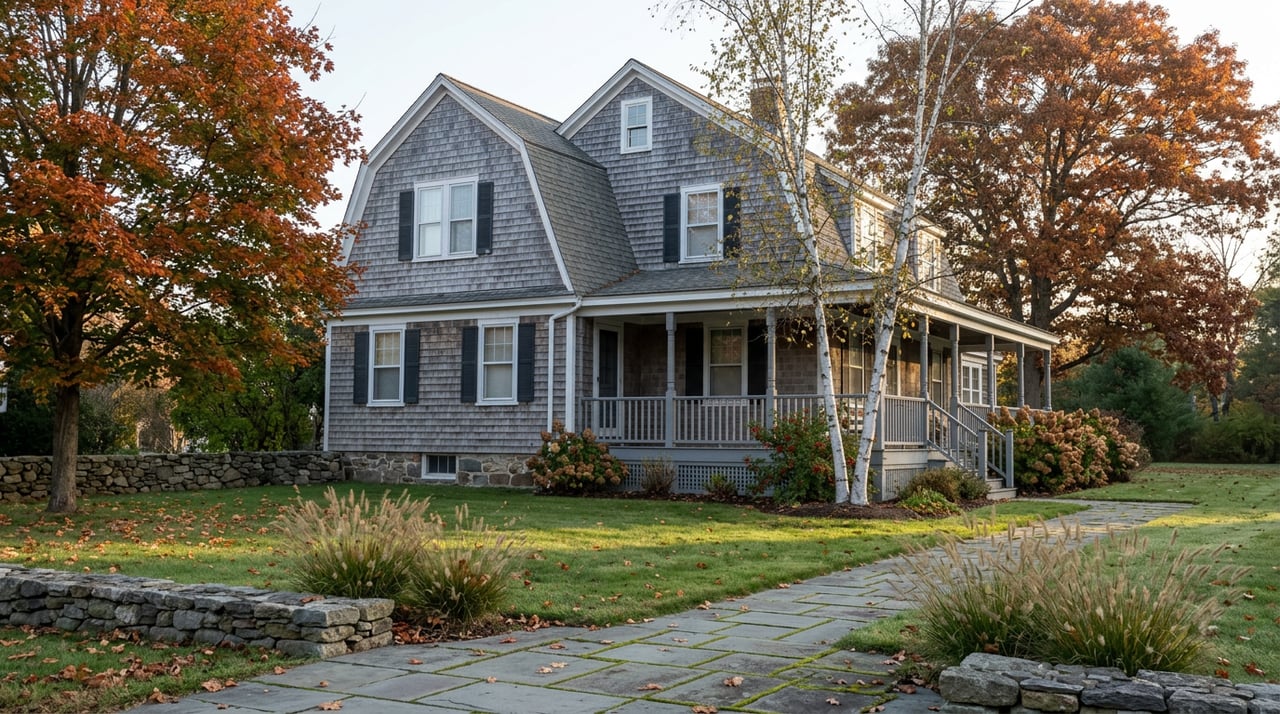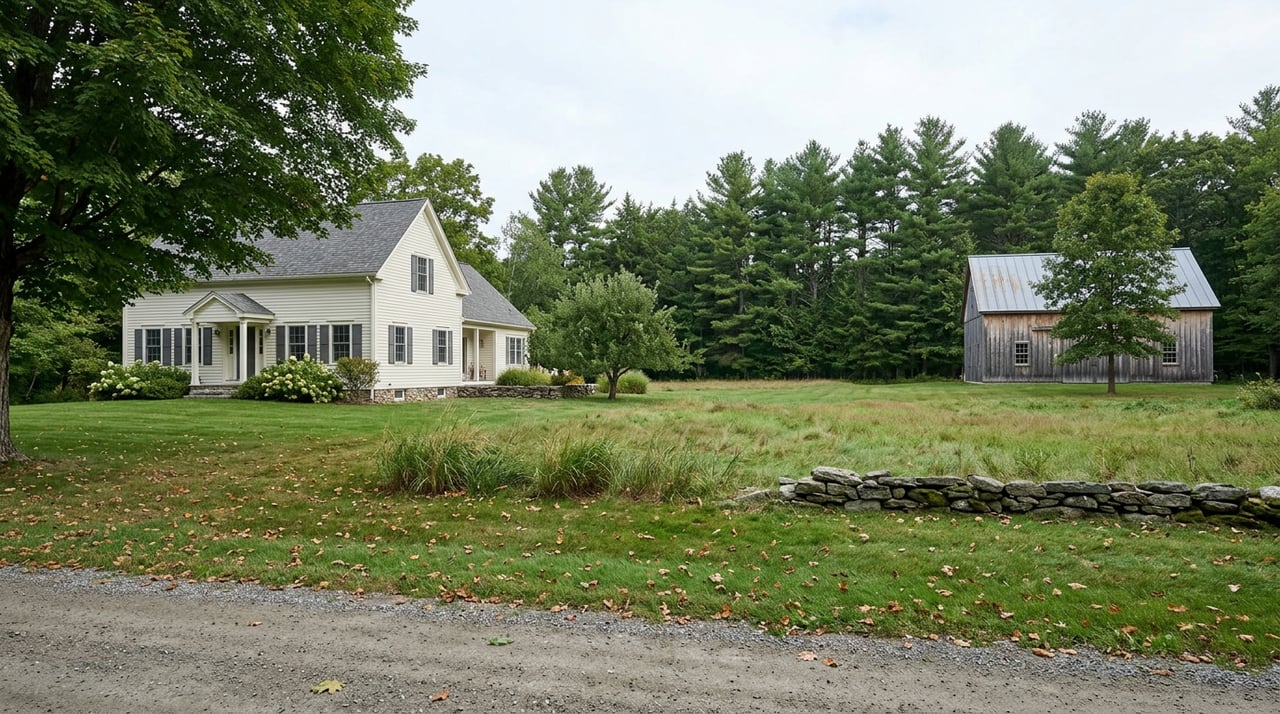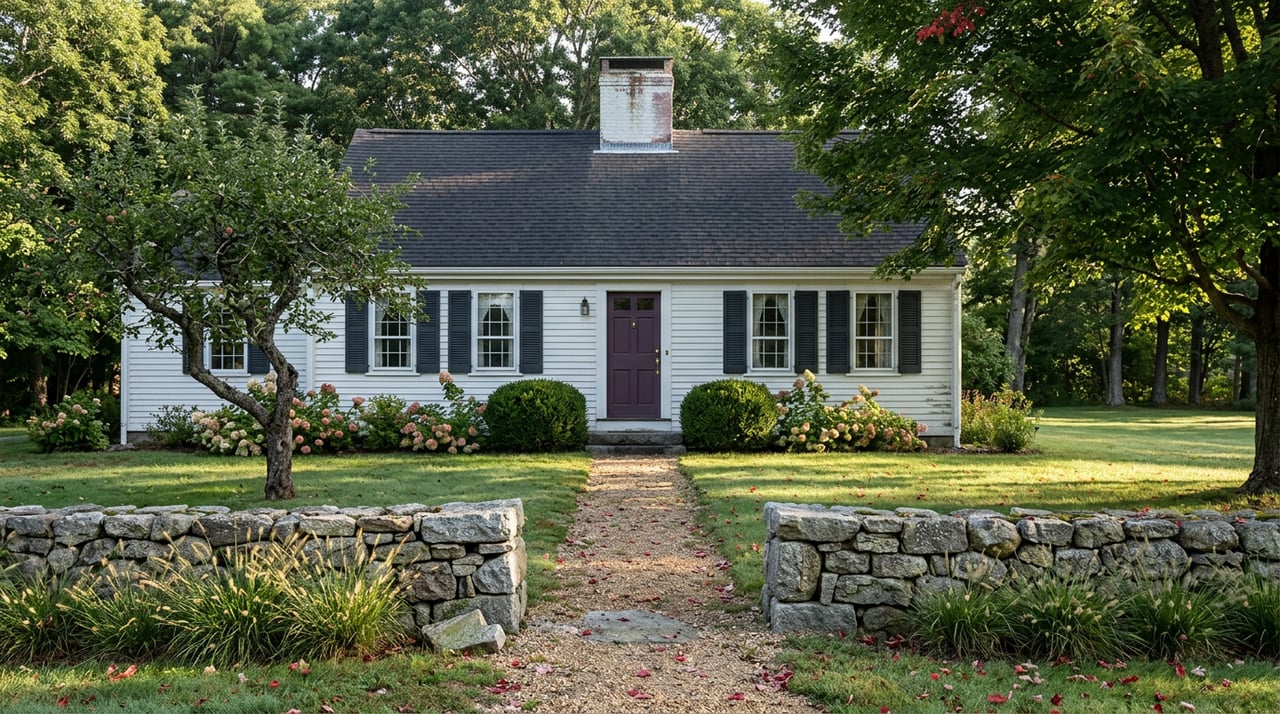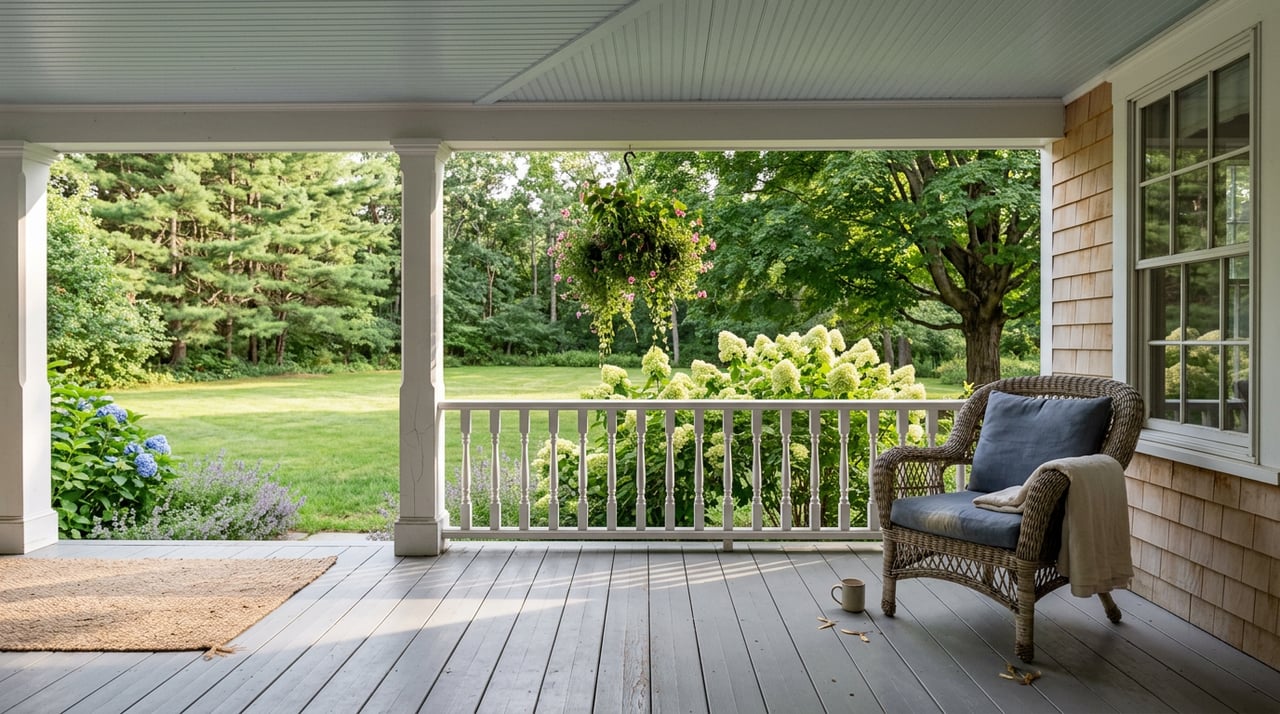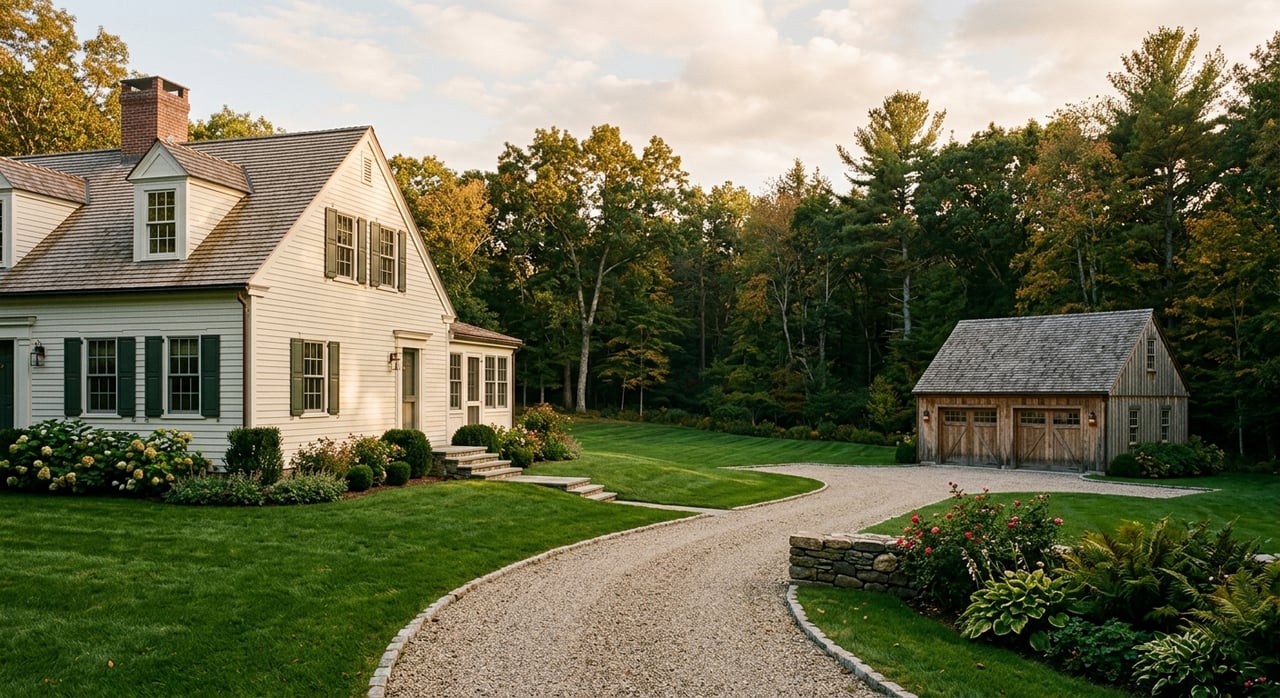
Are you looking for more space, a quieter pace, and a home that feels tucked away without being too far from daily essentials? If Weare, New Hampshire has caught your eye, you are not alone. This town appeals to many buyers who want country living with practical access to Concord, Manchester, and the broader central New Hampshire region. In this guide, you will get a clear picture of what life in Weare NH looks like so you can decide whether it fits your goals. Let’s dive in.
Why Buyers Look at Weare
Weare sits in northern Hillsborough County, about 15 miles southeast of Concord and 20 miles northwest of Manchester. That location makes it appealing if you want a more rural setting while still staying connected to larger job centers, shopping, and services in the region.
Town planning documents describe Weare as a bedroom community that continues to attract people seeking a rural lifestyle with access to urban centers and employment. In simple terms, it offers a quieter home base while keeping commutes to nearby cities within reach for many residents.
What Weare Feels Like Day to Day
One of the biggest draws of Weare is its sense of space. The town covers about 59.1 square miles, and the estimated 2025 population is 9,291. With a population density of roughly 153.9 people per square mile, daily life tends to feel less crowded than in more built-up communities.
Weare also keeps a small-town identity through its board-of-selectmen and town-meeting form of government. For many buyers, that local structure adds to the feeling of living in a community that values its rural roots and town-level involvement.
Housing in Weare NH
If you are exploring homes in Weare, you will quickly notice that single-family living is a major part of the housing landscape. Recent town planning materials report about 3,987 housing units, including 3,488 single-family homes, 374 multifamily units, and 125 mobile homes.
That mix helps explain why Weare often appeals to buyers who want more privacy, more yard space, or a property with a little breathing room. The town’s growth pattern is largely low-density to medium-density residential development, and many homes rely on on-site systems rather than municipal infrastructure.
QuickFacts shows a 93.5% owner-occupied housing rate and a median owner-occupied home value of $396,300. This points to a community that is mostly made up of homeowners rather than a rental-heavy market.
Wells, Septic, and Larger Lots
A practical part of living in Weare is understanding how many properties function. Town emergency planning materials note that water comes from private wells and sewer service is handled by private septic systems.
For some buyers, that setup is part of the appeal because it often goes hand in hand with rural properties and larger lots. It also means you should be prepared to learn about well and septic considerations when comparing homes, land, or acreage in town.
Commuting From Weare
Weare works best for people who are comfortable with a car-based lifestyle. The town’s main road corridors are NH Routes 114, 77, and 149, and development has historically spread along Routes 77 and 114 as Concord and Manchester have grown.
The nearest interstate access noted in town planning documents is I-89 at Exit 2, about 12 miles away. The same materials state that Weare has no public transportation or railroad service, so most daily travel happens by car.
QuickFacts reports a mean travel time to work of 35.7 minutes. That number helps set realistic expectations if you are moving from a more walkable or transit-served area and want to understand how transportation may shape your routine.
Access to Concord and Manchester
One reason Weare stands out is its location within the Concord-Manchester orbit. You can enjoy a country setting while still being reasonably close to two of southern and central New Hampshire’s key hubs.
For buyers relocating within New Hampshire or moving into the state, that balance can be attractive. You may be able to trade a busier setting for more land and a quieter environment without feeling disconnected from work, services, or regional destinations.
Outdoor Recreation in Weare
If lifestyle matters as much as square footage, Weare has a lot to offer. Town documents describe a landscape of hills, forests, open fields, swamps, and riverine areas, along with waterways such as Everett Lake, Weare Reservoir, and the Piscataquog River.
The town’s planning efforts place strong emphasis on preserving open space and habitat corridors for water quality, wildlife habitat, recreation, agriculture, timber resources, and scenic quality. That focus helps support the country character many buyers are hoping to find.
Clough State Park Highlights
Clough State Park is one of Weare’s best-known recreation spots. Located on Everett Lake, the park includes a 150-acre lake setting and a 900-foot sandy beach.
According to New Hampshire State Parks, the park offers:
- Swimming
- Boat rentals
- Fishing
- Canoeing
- Mountain biking
- Walking trails
- Picnic areas
- A park store
For many buyers, having this kind of outdoor destination close to home is a real quality-of-life benefit. It gives you an easy way to enjoy weekends and summer days without needing a long drive.
Schools and Daily Services
For households planning around school locations, Weare students attend Center Woods Elementary for grades K through 3, Weare Middle School for grades 4 through 8, and John Stark Regional High School for grades 9 through 12. Town emergency planning materials note that all three are located in town.
The same source states that there are no private schools or colleges in Weare. It also reports five childcare facilities with capacity for 471, which can be useful context if childcare access is part of your home search.
Who Weare May Suit Best
Weare is not a one-size-fits-all town, and that is actually helpful to know. It may be a strong fit if you want a rural residential setting, a home with more land, and a lifestyle centered on driving rather than walkability.
It can also appeal if you are moving for space, privacy, or a quieter pace but still want practical access to Concord or Manchester. Buyers considering single-family homes, acreage, or land often find that Weare checks boxes that are harder to satisfy in denser markets.
What to Think About Before You Move
Before buying in Weare, it helps to think through how the town’s rural features match your day-to-day needs. A longer drive to work or errands may feel worthwhile if extra land, a lower-density setting, and outdoor access are priorities for you.
You should also be ready to evaluate property-specific factors like lot layout, road access, and private well and septic systems. Those details can matter just as much as price or square footage when you are comparing homes in a town with a more rural development pattern.
Why Weare Stands Out
What makes Weare stand out is the balance it offers. You get a mostly owner-occupied community, a strong single-family housing base, natural scenery, and a slower rhythm of life, all within reach of larger regional centers.
For many buyers, that combination is exactly the point. Weare offers country living close to Concord, with enough access to keep daily life practical and enough space to feel like a real change of pace.
If you are thinking about buying or selling in Weare or another central New Hampshire town, working with a local guide can make the process feel much more manageable. When you want clear answers, patient support, and local insight, Angela Keef is here to help.
FAQs
What is Weare NH like for everyday living?
- Weare offers a rural, lower-density lifestyle with a mostly homeowner-occupied housing base, car-based commuting, and access to outdoor recreation.
How far is Weare NH from Concord and Manchester?
- Weare is about 15 miles southeast of Concord and 20 miles northwest of Manchester, making it a practical option for people who want rural living with regional access.
What types of homes are common in Weare NH?
- Town planning materials show that single-family homes make up most of the housing stock, with additional multifamily units and mobile homes also present.
Do homes in Weare NH use public water and sewer?
- Town emergency planning materials state that water is supplied by private wells and sewer service is handled by private septic systems.
Is Weare NH a walkable town?
- Weare is primarily car-dependent, with no public transportation or railroad service noted in town planning documents.
What recreation is available in Weare NH?
- Weare offers access to natural features like Everett Lake, Weare Reservoir, and the Piscataquog River, and Clough State Park provides swimming, boating, trails, fishing, and picnic areas.
What schools serve students in Weare NH?
- Town materials state that students attend Center Woods Elementary, Weare Middle School, and John Stark Regional High School, all located in town.